
**Brattleboro and the Revolution: A Frontier Town at the Crossroads of Independence**
PEOPLE
William French
Westminster Massacre Victim, New Hampshire Grants Settler
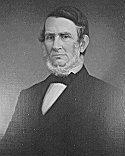
Ira Allen
Vermont Founder, Land Speculator, Political Leader
Brigadier General Jacob Bayley
Vermont Militia General, Connecticut River Valley Defender, Road Builder
Colonel Samuel Wells
Brattleboro Militia Officer, Cumberland County Leader
KEY EVENTS
Westminster Massacre
Mar 1775
Vermont Declares Independence and Adopts Constitution
Jul 1777
Vermont Admitted to the Union as the 14th State
Mar 1791
Yorktown Surrender News Arrives in Vermont
Oct 1781
Haldimand Affair: Vermont's Secret Negotiations with Britain
Jul 1780
British-Allied Raiding Parties Strike Connecticut River Valley
Sep 1777
STORIES
MODERN VOICE
The Rainstorm at Windsor
The Vermont Constitution of 1777 was adopted because a rainstorm made the roads impassable. The convention at Windsor was finishing its work when news arrived that Burgoyne was threatening Ticonderoga...
HISTORICAL VOICE
Murdered by the Tools of Tyranny
The inscription on William French's gravestone is one of the most explicit political statements of the early Revolutionary era: shot "by the Hands of Cruel Ministerial Tools of Tyranny, In the Courtho...